
Two of Hong Kong's Eight Weather Warnings End a Night Out: the No. 8 and the Black Rainstorm
Hong Kong has five tropical cyclone signals and three rainstorm colours, and only the No. 8 and the black rainstorm really shut a night down: at those, buses, trams and ferries stop and most venues close, so the plan is the MTR home and somewhere you can walk back from.
Fact-checked 21 November 2026
Hong Kong is the rare city where the weather, not the clock, decides whether you are going out. The Observatory runs five tropical cyclone signal levels and three rainstorm colours, and locals read them like a going-out forecast. Most of them change nothing about your night. Two of them end it: the No. 8 typhoon signal and the black rainstorm warning. This is the honest guide to which signal does what to a night out, what still opens when the No. 8 goes up, and how to be on the right side of the last train home.
Here is the short version before the detail. At a No. 1 or No. 3 signal, or an amber or red rainstorm, the city runs close to normal and your night is on, with one eye on the ferries. At a No. 8, or a black rainstorm, the city winds down: schools and most offices shut, buses, trams and ferries stop, most bars and clubs close, and the MTR drops to a reduced service that is your only reliable way home. The move at that point is not to trek across town. It is to go somewhere you can walk home from, or to stay in.
Only two signals really end a night out: the No. 8 and the black rainstorm
Read the ladder from the bottom up. A No. 1 is a standby signal and changes nothing. A No. 3 is strong wind, and the bars and clubs run as normal, though the outlying-island ferries start to thin, so a night on Lamma or Cheung Chau needs a glance at the sailings first. A No. 8 is a gale or storm signal, and it is the one that closes the city. A No. 9 is an increasing gale, and a No. 10 is a hurricane, by which point you should be indoors and staying there. The rainstorm scale runs amber for heavy rain that is mostly a nuisance, red for rain serious enough to travel carefully in, and black for the most severe, when the advice is to stay exactly where you are. Out of all eight, only two actually shut a night down: the No. 8 and the black.
At the No. 8, transport winds down, so the last train is the whole plan
Under a No. 8, the MTR keeps running on its underground sections but drops to a reduced service, and it is the one network you can rely on. The Airport Express, the Light Rail and the above-ground stretches thin out or suspend as the signal climbs, and above-ground trains stop entirely under a No. 9 or higher. The buses are withdrawn gradually and largely stop at the No. 8, the trams stop, and the Star Ferry and the outlying-island ferries suspend. Taxis still run, but they get scarce and slow, with queues building exactly when everyone wants one. So if you are out when the No. 8 is coming, the plan is the MTR, and the plan is to be on it early rather than late.
Most bars and clubs close, but a short list stays open
When the No. 8 goes up, most of the going-out map shuts. The clubs close, a lot of restaurants and bars pull the shutters, the malls and cinemas close, and the main food-delivery apps generally pause deliveries, so you cannot reliably order in once it lands either. What stays open is a short, dependable list. The convenience stores, the 7-Elevens and Circle Ks, keep the lights on. A good number of cha chaan tengs trade straight through, and so does the odd McDonald's, which is exactly why they fill up during a storm. And some hotels keep a bar or a coffee shop running for the people stuck inside. It is not a night of options, but it is not nothing.
The honest call at 6pm is to go local, or stay in
Here is the operator's read, because we run rooms and we watch this call go wrong every season. A No. 8 is not the night to cross the harbour for a specific bar. If you are going out at all, pick a hotel bar in your own district, or a neighbourhood pub you can walk home from, so the storm cannot strand you. The typhoon party, the ritual of riding out a No. 8 in a bar that stayed open, is a real Hong Kong thing, and it can be a good night, but it only works if you can get home on foot, because the transport that brought you may not take you back. The smartest version of a storm night out is the one that never needs a taxi.
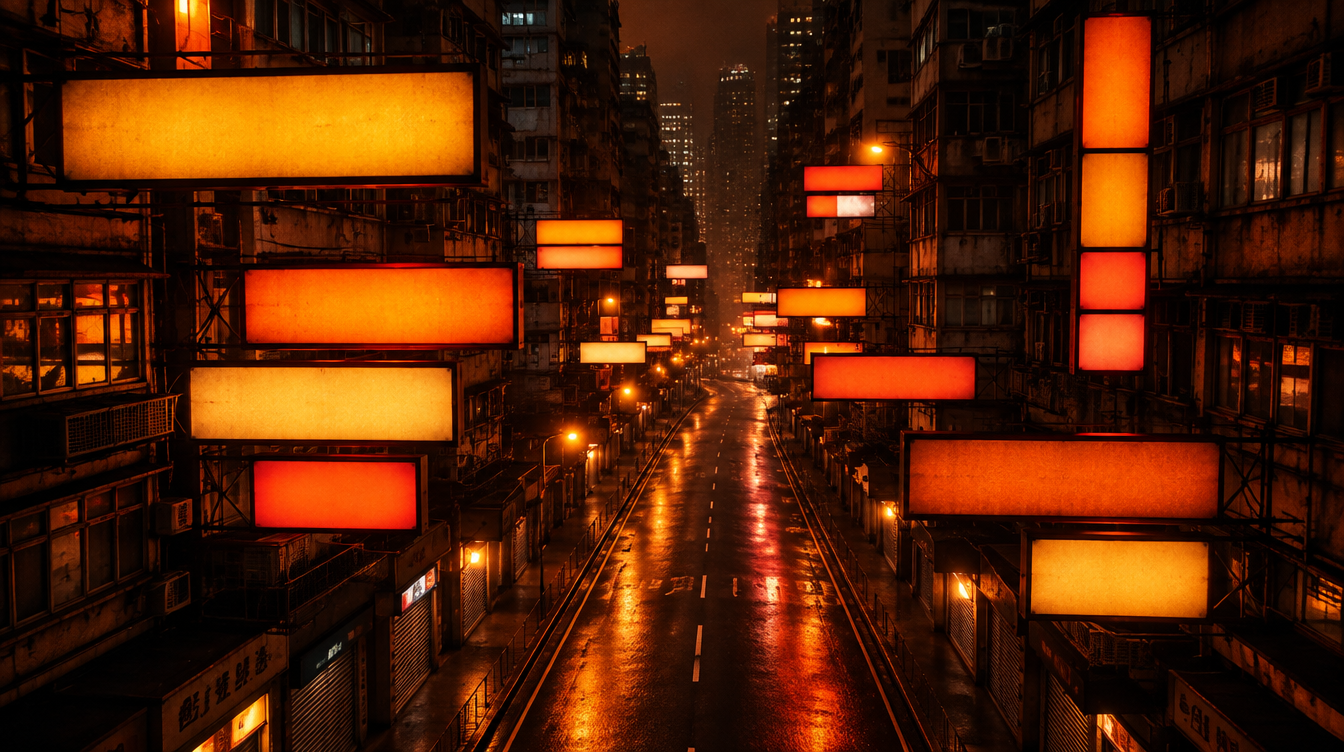
A No. 3, amber or red signal is a normal night with an asterisk
Most signals are not a reason to cancel. At a No. 1 or No. 3, and under an amber or even a red rainstorm, the bars and clubs run on their normal hours and your night is on. The asterisk is two things. The first is the ferries: a No. 3 can already start to disrupt the outlying-island services, so if your night is on Lamma or Cheung Chau, check the sailings before you commit. The second is simply getting caught out, because a red or black rainstorm can arrive fast, so keep a way to check the Observatory on you and keep the last train in mind even on an ordinary night.
In Hong Kong the weather, not the clock, closes the city. When the No. 8 goes up, the best night out is the one you can walk home from.
If the No. 8 goes up mid-night, move on the first warning, not the last
The Observatory usually gives a couple of hours of notice before it raises a No. 8, with a pre-No.-8 announcement, and that window is the one to use. If you are out and the signal is coming, finish up and get on the MTR while it is still running a full service, rather than waiting for the reduced one. After the trains thin out you are into taxis, which surge in price and vanish in supply at exactly the moment everyone wants one. Treat the pre-No.-8 announcement as last orders for the transport, not for the bar, and you will be home dry while other people are still refreshing a taxi app on a street corner.
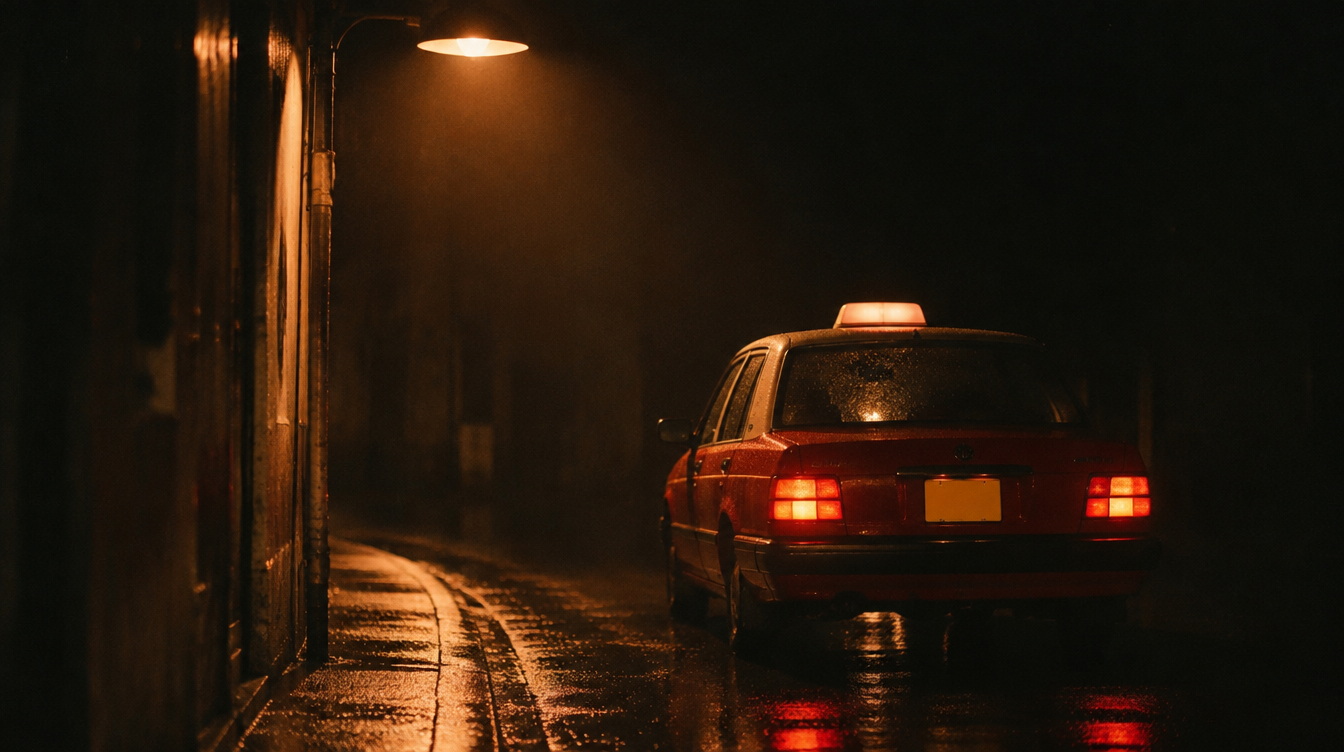
What stays open to eat when everything else is shut
The one thing a storm rarely closes is somewhere to eat. The convenience stores keep going, a good number of cha chaan tengs trade through, and a McDonald's near you is a fair bet, which is why they fill up during a No. 8. It is not a feast, but it is a hot meal and a dry seat while the signal holds, and it beats a kitchen you cannot get a delivery from. If you are stuck out, the food map is the one part of the night the weather leaves you.
If you only do one thing: check the signal before you check the group chat
If you remember one line from this, make it this: open the Observatory before you make a plan. At a No. 3 or an amber, go out as normal and just watch the ferries. At a No. 8 or a black rainstorm, stay close to home, pick somewhere you can walk back from, and keep the last train in mind. Then send this to whoever in the group chat is still trying to book a table across town in a storm, because the smartest night out in Hong Kong weather is the one you can walk home from.
Sources
- Government of Hong Kong (Home Affairs Department), Your Guide to Services in Hong Kong, Chapter 21: Tropical Cyclone and Rainstorm Warnings, setting out the tropical cyclone signals (No. 1, 3, 8, 9 and 10) and the amber, red and black rainstorm warnings. · 21 November 2026
- MTR Corporation, travel tips during typhoons and rainstorms: trains run on a reduced service under a No. 8, with above-ground sections, the Airport Express and the Light Rail liable to suspend as the signal climbs. · 21 November 2026
- South China Morning Post, during Super Typhoon Ragasa, McDonald's and cha chaan tengs stayed open to feed Hongkongers while most other outlets closed. · 21 November 2026
- The Standard, public transport typhoon arrangements: buses, trams and ferries wind down and suspend around the No. 8 signal. · 21 November 2026
- South China Morning Post, above-ground MTR trains stop under a No. 9 typhoon signal or higher. · 21 November 2026
- Fortress, overview of Hong Kong public transport operations during typhoons and heavy rain, covering the MTR, buses, trams and ferries. · 21 November 2026
Frequently asked
- Which Hong Kong weather signal closes bars and clubs?
- A No. 8 typhoon signal or a black rainstorm warning is when most Hong Kong bars and clubs close, along with malls and cinemas. At a No. 1 or No. 3 signal, or an amber or red rainstorm, nightlife generally runs as normal. (Checked by Mandos News, 21 November 2026.)
- Does the MTR run during a No. 8 typhoon signal in Hong Kong?
- Yes. Under a No. 8 the MTR keeps running on its underground sections on a reduced service, and it is the most reliable way home. Above-ground sections, the Airport Express and the Light Rail may suspend, and above-ground trains stop under a No. 9 or higher. (Checked 21 November 2026.)
- What stays open during a typhoon in Hong Kong?
- During a No. 8, convenience stores such as 7-Eleven and Circle K stay open, a good number of cha chaan tengs and some McDonald's trade through, and some hotels keep a bar or coffee shop running. Most other bars, clubs and restaurants close, and food delivery usually pauses. (Checked 21 November 2026.)
- Can you still go out during an amber or red rainstorm warning?
- Yes. Under an amber or red rainstorm warning, Hong Kong bars and clubs generally run on their normal hours. The one thing to watch is the outlying-island ferries, which can be disrupted, and a red or black rainstorm can arrive fast, so keep an eye on the Observatory. (Checked 21 November 2026.)
- How do you get home if a No. 8 signal goes up while you are out in Hong Kong?
- Move on the Observatory's pre-No.-8 announcement, which usually comes a couple of hours ahead, and get on the MTR while it is still a full service. After the trains thin out, taxis are scarce and surge in price. Treat that announcement as last orders for your transport. (Checked 21 November 2026.)